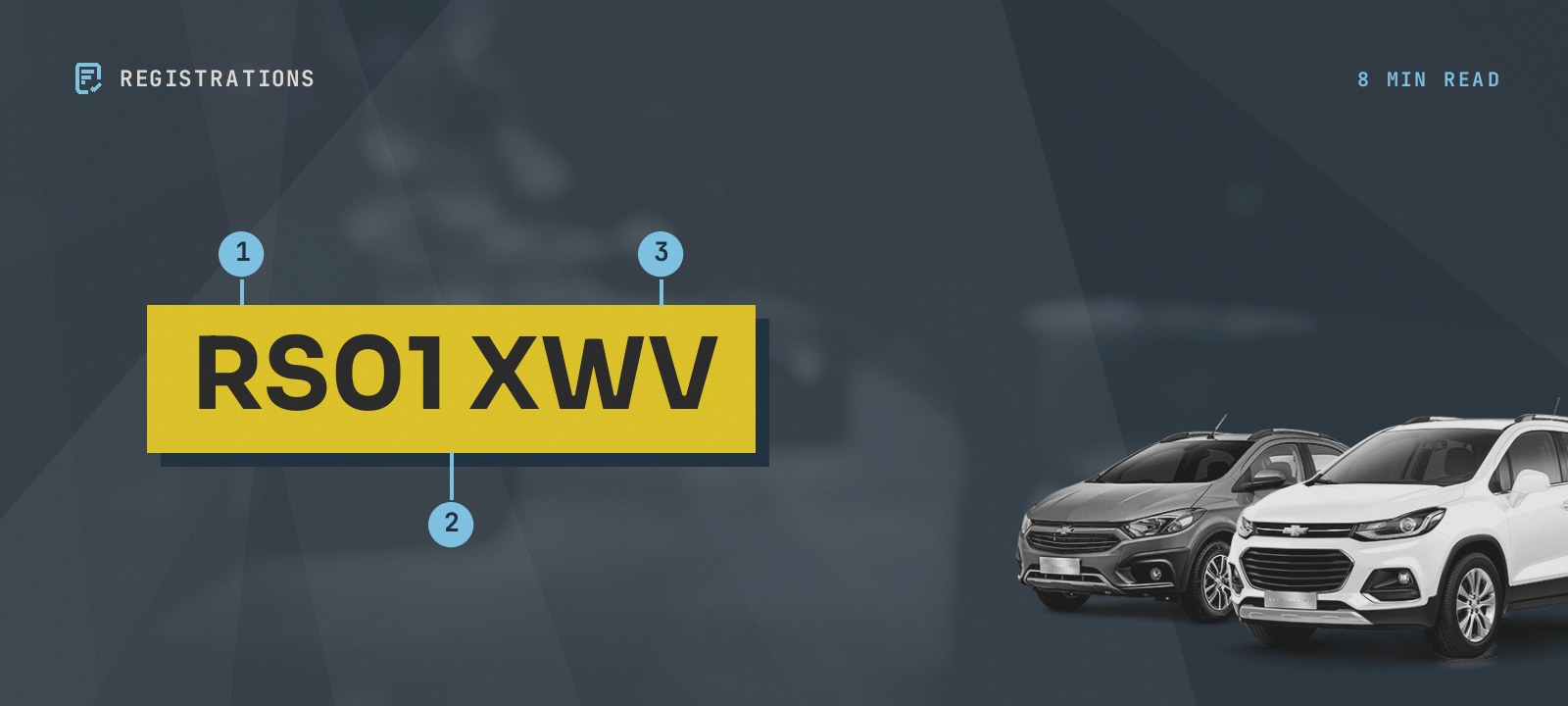
A private plate is one of those jobs that sounds fiddly and turns out to be mostly filling in a form and waiting. The DVLA has quietly made it easier over the years (though there's still an £80 fee to take a plate off), so the real skill now is doing the steps in the right order and not tripping over the small print. Whether you're putting a plate on, taking one off to keep, or shifting it from an old car to a new one, the mechanics are the same.
Retention and assignment: the two halves of the job
Every transfer is really two actions. Retention is taking a registration off a car so you can hold it without a vehicle attached: the plate sits on a retention certificate (the old V778, now usually a reference number) in your name. Assignment is putting a held registration onto a car. Moving a plate from car A to car B is just those two in sequence: retain it off A, assign it to B. You can do both in one online session if you own both cars and have all the numbers to hand.
The one you hold doesn't expire the way it used to worry people (a retained registration now stays valid for ten years at a time), but renewal isn't automatic: it's still yours to keep alive, so don't lose the paperwork. If a certificate lapses entirely, getting the plate back can turn into a much bigger headache than the transfer ever was.
What you need before you start
Have these ready and the whole thing takes ten minutes online:
- The V5C logbook for each car involved; you'll need the document reference number. Our V5C guide explains what that document does and doesn't prove.
- The retention or certificate reference if you're assigning a plate you already hold.
- Both cars registered, taxed and available for inspection. The DVLA can ask to see a car before it releases or accepts a plate, so it can't be scrapped, exported, or sitting untaxed and un-SORNed.
That last point catches people out more than anything. A car that's been off the road with lapsed tax and no SORN isn't in a clean enough state to take part in a transfer until you sort its status, so square that away first.
Doing it through the DVLA yourself
The online service walks you through it: sign in, enter the car's details and the V5C reference, confirm the plate you want to take off or put on, and pay the £80 fee if you're taking one off; assigning a plate you already hold costs nothing. The registration is reassigned on the spot in most cases, and a fresh V5C showing the new plate follows by post within a couple of weeks. Only fit the physical plates once the change is confirmed: running around on a plate that isn't yet officially yours is exactly the sort of thing that gets a car pulled over.
Dealers and plate brokers will happily do all this for you, and if you bought the plate from one it's often bundled in. Just know that the DVLA route is the cheap one; a broker fee is for convenience, on top of what the DVLA itself charges.
The age-identifier rule, and what it doesn't do
There's one hard limit worth understanding. You can move an older or dateless registration onto a newer car, but never the other way round: DVLA rules exist specifically to stop a car being made to look younger than it is. So a private plate can hide a car's age from a casual glance, which is a big part of the appeal, but it can't change the truth underneath.
That matters if you're buying. A tidy personal plate on a used car removes the one thing that usually tells you the model year at a glance, so you're relying on the paperwork instead. The DVLA record still holds the real first-registration date, and a history check will surface it, along with the MOT history and mileage trail that a shiny plate does nothing to change. If you want to see the format decoded first, our free number plate checker breaks down what any current-style reg is telling you.
Buying and selling a car that wears a private plate
If you're selling a car and want to keep its plate, retain the registration before you sell, never after. The moment the car changes hands the new keeper technically controls it, and reclaiming a plate off a car you no longer own is awkward and sometimes impossible. Take it off, let the car revert to its original DVLA-issued number (which it always keeps in reserve for exactly this), then sell it on that.
Buying a car and the seller wants to keep the plate? Make sure the retention happens and the car is back on its standard registration before you pay, and check the reg you're actually buying matches everything: the logbook, the MOT record, the description. A car quietly swapping plates around a sale is worth a second look, not because it's always dodgy, but because it's the kind of detail that hides a mismatch.
The short version
Retain to take a plate off, assign to put one on, and do them in that order. Both cars taxed and legit, V5C references to hand, £80 to the DVLA for taking the plate off. Keep the certificate safe if you're holding a plate, and remember the golden rule: older plates go onto newer cars, never the reverse. Do those and a private plate is one of the easier bits of car admin you'll ever deal with.