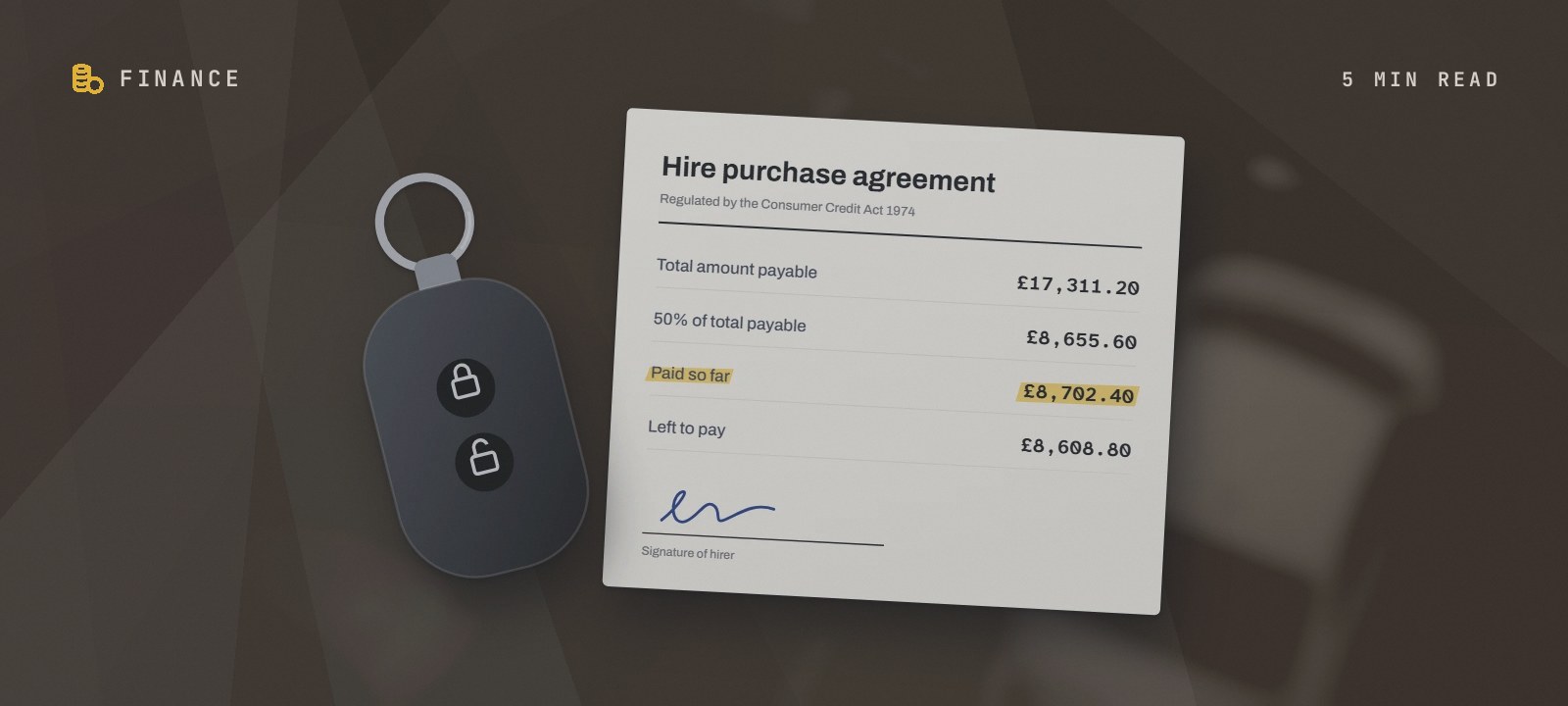
Voluntary termination is a legal right on regulated hire purchase and PCP agreements. Once you have paid half the total amount payable, you can hand the car back and walk away owing nothing more on the finance, whatever the car is worth, beyond any arrears or damage.
It is written into the Consumer Credit Act, the lender cannot refuse it, and it does not apply to leasing, which has no equivalent right.
What is voluntary termination?
Section 99 of the Consumer Credit Act 1974 lets you end a hire purchase or PCP agreement early by giving the lender written notice. Section 100 sets the price of doing it. You must have paid, or be willing to pay up to, half of the total amount payable under the agreement. Reach that halfway mark and the debt stops there.
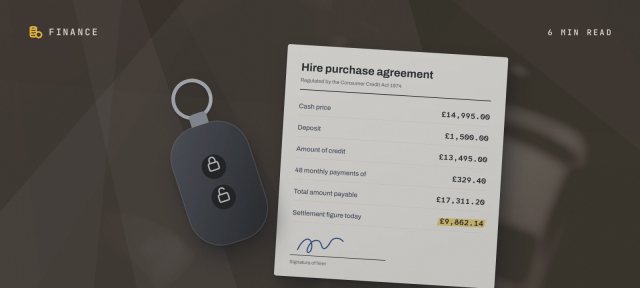
The total amount payable is not the cash price of the car. It is everything the agreement adds up to over its full life, including interest, fees and any balloon payment at the end. On a PCP with a big final payment that number is a long way above the sticker price, which is why the halfway point often arrives later than people expect.
How do I work out if I have paid half?
Look for "total amount payable" on your agreement, halve it, and compare that against everything you have paid so far, deposit included. If you are short, you can pay the difference in one go and still terminate. If you are past it, you owe nothing further beyond arrears and any damage.
| Agreement | Total amount payable | VT point | Reached at |
|---|---|---|---|
| HP, £15,000 car, £1,500 deposit, 48 months at 9.9% APR | £17,772.96 | £8,886.48 paid | Payment 22 of 48 |
| PCP, £18,000 car, £1,800 deposit, 48 months at 9.9% APR, £7,000 balloon | £22,543.36 | £11,271.68 paid | Payment 34 of 48 |
On the PCP the balloon is deferred to the end, so the deposit and the monthly payments have to cover £11,271.68 between them. That puts the halfway point at payment 34 of 48, well past the middle of the deal, against payment 22 on the HP.
On a deal with a larger final payment the monthly payments may never reach it at all, leaving you to pay the difference to terminate.
That is the single most misunderstood part of voluntary termination. Our PCP settlement calculator works out the halfway point from the figures on your agreement, with the settlement figure alongside it.
What condition does the car have to be in?
The law asks you to have taken "reasonable care" of it. Fair wear and tear is expected and is not chargeable. Anything beyond that is, so a kerbed alloy, a cracked screen or a missing service stamp can come back as an invoice. Lenders commonly use the BVRLA fair wear and tear standard, which is public, so read it before the inspection rather than after.
Excess mileage is murkier, and worth knowing about in advance. The Act itself makes no provision for mileage charges, but some lenders invoice for miles run up before termination, and the Financial Ombudsman has decided cases both ways depending on the agreement's wording.
If a charge lands, challenge it in writing, escalate to the lender's complaints process, and take it to the Ombudsman after eight weeks; just don't bank on the answer before it comes.
Will it hurt my credit file?
The agreement is marked as terminated rather than settled. That is not a default and it is not a missed payment, but a future lender can see you did not run the deal to term, and some read it cautiously. Weigh that against the alternative, which is usually months of payments on a car you no longer want.
Voluntary termination is also a world away from voluntary surrender, where you hand the car back before the halfway mark and stay liable for the shortfall. The words look similar. The bills do not.
What should I do before handing the car back?
Give notice in writing and keep a copy. Photograph the car inside and out on collection day, including the odometer. Get the collection driver to sign the condition report and take your own copy of it.
Then check the finance is showing as ended, because an agreement left open is the thing that causes trouble later, and it shows up on an outstanding finance check long after you thought you were done. If you are weighing up a new deal rather than an exit, the PCP calculator and HP calculator show what it would cost in total.