Imports get a bad name they don't always deserve. A lot of perfectly good cars on British roads started life somewhere else, and buying one can save you real money on a spec that was never officially sold here. The trouble is that "import" covers everything from a UK-market BMW that spent two years in Germany to a right-hand-drive JDM oddity with a history that stops dead at the docks. Those are very different bets.
Two kinds of import, and why it matters
A parallel import is a car built to European or UK specification and brought in from another EU-market country. Mechanically and legally it's much the same as a home-market car: the same parts, the same service network, the same MOT. These are the low-drama imports, and the small discount can be a genuine saving.
A grey import is a car built for a non-European market (classically Japan, sometimes the US) that was never intended for UK sale. These are where the character and the headaches both live. You get models and trims we never officially had, often beautifully kept, but you also inherit parts that come from abroad, speedometers that might read in kilometres, lighting and emissions built to another country's rules, and a service history written in a language and a network you can't easily follow up. Knowing which type you're looking at is the first job, because it sets your expectations for everything else.
How to tell a car is an import
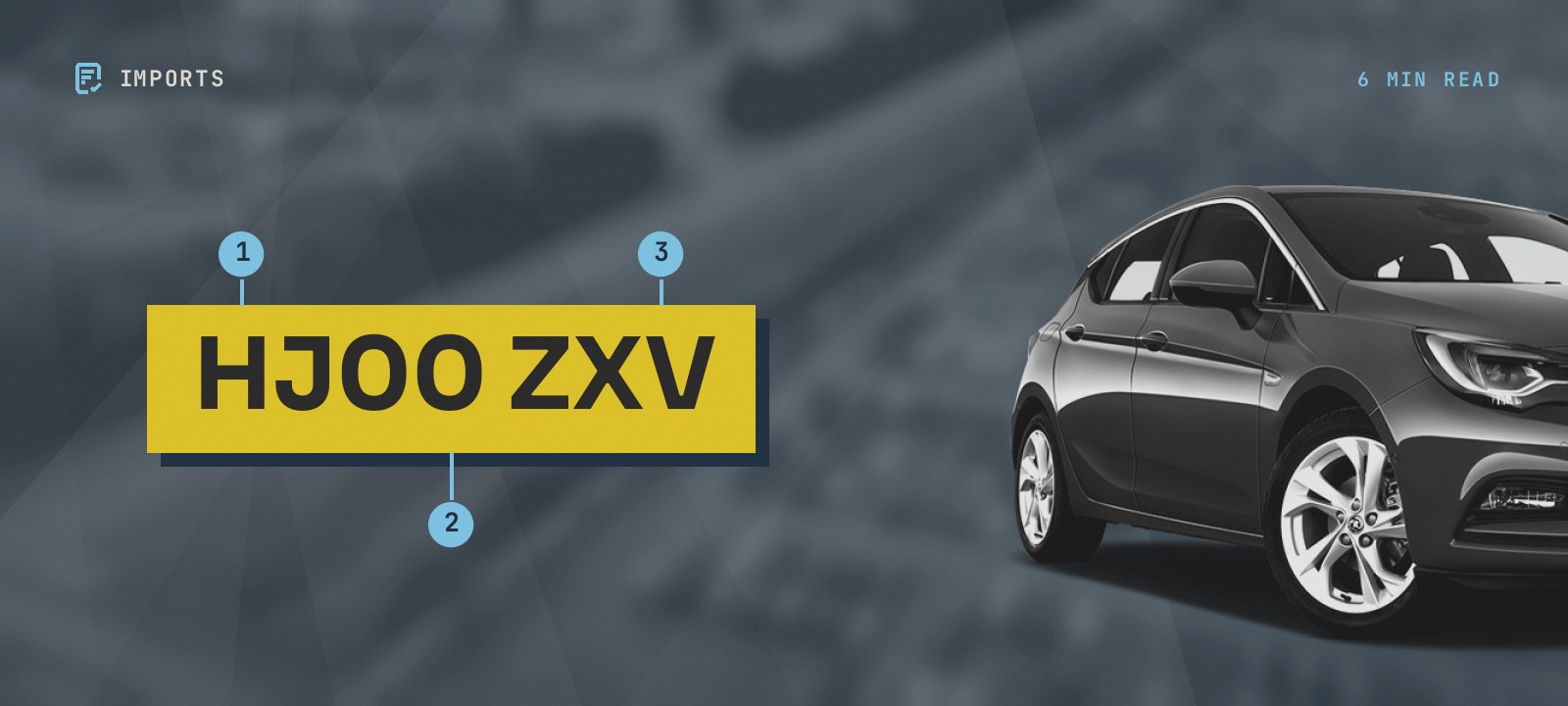
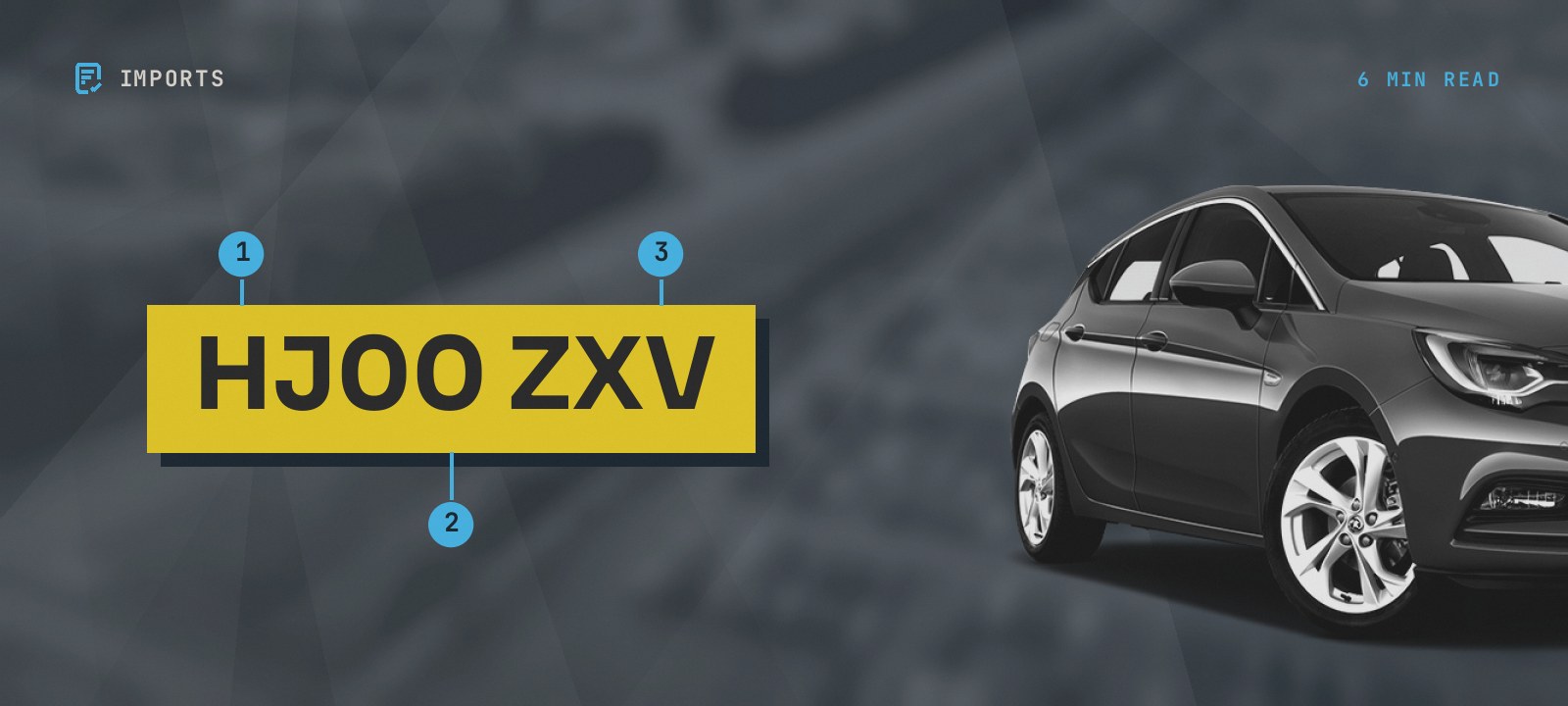
The V5C usually tells the story. An imported car's logbook tends to show a first-UK-registration date that's later than the car's actual build year (a "2019" car first registered here in 2022 is a classic import signature), and it may carry an explicit note about the country of origin. A registration that lacks the normal age identifier is another flag, as our number plate formats guide explains: imports are often given dateless or non-standard registrations. Our history check surfaces the DVLA registration and date details, so a mismatch between build year and UK registration is one of the first things you can spot.
The history gap
This is the real catch with a grey import. UK vehicle records (the DVLA registration, the MOT history, the mileage trail) only begin when the car enters the British system. Everything before that happened under another country's paperwork, which our records, and most UK checks, simply can't see. A five-year-old import might have a UK MOT history only two years long, with the first three years a blank you're taking on trust.
That gap is where imported mileage fraud hides, because there's no early UK odometer reading to contradict a suspiciously low figure. Japanese auction sheets, the grading documents from the car's home-market sale, are gold here if the seller has them: a genuine one gives you an independent record of condition and mileage from before the car ever reached Britain. No auction sheet, no early history, and a low mileage claim is a claim resting on nothing.
Insurance, parts and resale: the running costs of "different"
Three practical things soften the sticker saving. Insurance can cost more, or take more phone calls, because a non-standard car is harder for an insurer to price. Parts for a grey import can be slower and dearer to source, and not every garage will happily take one on. Resale is harder for the same reasons you're getting it cheap: the next buyer will want the same discount you did. A grey import that's typically 10–20% below a UK-supplied equivalent isn't necessarily a bargain; sometimes it's just the market pricing in those frictions correctly.
Registration and roadworthiness
A car that's already through the DVLA import process, registered and wearing a UK plate, is treated like any other for tax and MOT; the hard yards are behind it. The pain is at the start: registering a fresh import, and getting it to satisfy UK type approval (an IVA test in some cases), can be slow and occasionally costly. If you're buying, buy one that's already done all that and holds a UK V5C and current MOT. Let someone else have the adventure of registering it.
The bottom line
A well-chosen import can be exactly the car you wanted at a price you couldn't get on a home-market example. Just go in clear-eyed: confirm it's genuinely on a UK plate with real paperwork, treat the pre-UK years as a history gap to be filled with evidence rather than assumed away, and price in the insurance, parts and resale realities. Run the reg through a check first: the registration and date details alone will often tell you that you're looking at an import before the seller does.