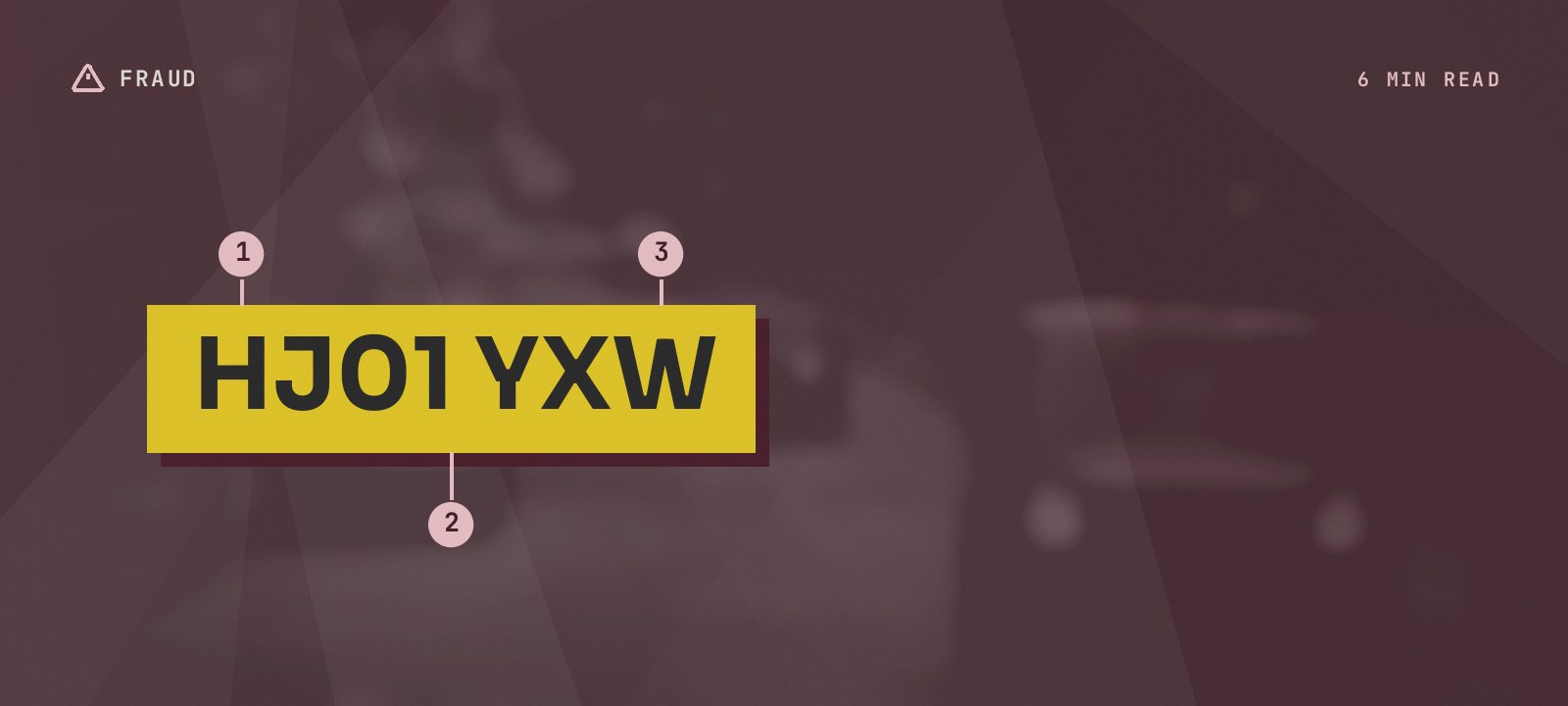
Most used-car frauds leave a trace in the paperwork. This one does not, because the paperwork it borrows is real: it belongs to a legitimate car of the same make, model and colour sitting on a driveway somewhere else in the country. The checks that see through it are the ones that compare the documents against the metal in front of you, rather than against the record.
What cloning actually is
A cloned car wears a "donor" identity: real plates matching a real, law-abiding car of the same make, model and colour somewhere else in the country. Look the reg up and everything's fine, because you're looking up the innocent car. The MOT history, the tax status, the make and colour all come back clean. They just don't belong to the car you're standing next to.
Cloning is used to disguise stolen cars, to escape a car's own bad history (a write-off or finance owing), and to dodge speeding and congestion charges, which land on the innocent keeper instead. As a buyer, the danger is simple: if you buy a cloned stolen car, the police can seize it and return it to its rightful owner. You lose the car and the money both.
The tell: records that don't match the metal
Because the paperwork describes a different physical car, cloning shows up as mismatches. Run the reg through an MOT history check and compare what it says against the car in front of you:
- Mileage. Does the last recorded MOT reading roughly fit the odometer you're looking at? A record ending at 40,000 miles under a car showing 90,000 is a problem.
- Colour. The record lists a colour. If it says silver and the car is black with no colour-change noted, be very suspicious.
- Test locations. GOV.UK's MOT history service shows where each test was done, though you'll need the 11-digit reference from the V5C to unlock it; ask to see the logbook. A history all around Glasgow, on a car being sold in Kent by someone with no Scottish connection, is worth a hard question.
- The VIN. This is the big one; see below.
The check that clinches it: the VIN
The plates can be swapped in minutes, but the Vehicle Identification Number is stamped into the car itself: visible at the base of the windscreen, on a door pillar sticker, and often on the chassis. The V5C logbook records it too. On a genuine car, the VIN on the metal matches the VIN on the V5C. On a clone, they don't, because the physical car and the paperwork are two different vehicles.
Checking takes ninety seconds and no criminal can fake it on the spot. If the windscreen VIN doesn't match the logbook, or a VIN plate looks tampered with, overpainted or freshly riveted, stop. That's not a haggling point; it's the end of the viewing.
Other warning signs
- A price noticeably below the going rate for the model.
- A seller who wants to meet somewhere other than the address on the V5C, or won't let you come to their home.
- Only one key, no service history, and a logbook that's "in the post".
- Pressure to pay quickly, in cash, and take the car away today.
Protecting yourself
The defence is a habit, not luck: view the car at the keeper's address, match the VIN on the metal to the V5C, check the logbook's watermark, and run a history check to compare the record against the car. A clone fails at least one of those tests, every time. Our vehicle report lays out the recorded mileage, colour and details so a mismatch jumps out, and pairs naturally with the stolen-car checks and the V5C guide. Paperwork, data and metal telling one consistent story is what a clone can never manage.